Camel Counted Cross Stitch Pattern Review
As a professional embroidery designer constantly sourcing assets for both personal collections and commercial client work, I approach every new download with a critical eye. When browsing Creative Fabrica embroidery resources, it is essential to distinguish between digital art meant for screens and functional patterns meant for needle and thread. Recently, I evaluated the Camel CountedCross Stitch Pattern specifically to determine its viability for small-scale handmade products. This review reflects my honest assessment of this design as a practical tool for Etsy sellers, craft fair vendors, and hobbyists looking to expand their repertoire of Cross Stitch Patterns.
First Impressions: Minimalist Charm and Technical Specs
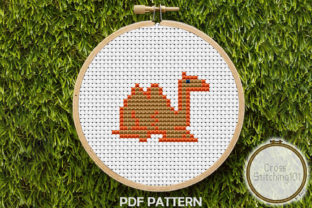
The first thing that stands out about the Camel CountedCross Stitch Pattern is its deceptive simplicity. In an era where many designers push for hyper-realistic, high-stitch-count landscapes, this pattern offers a refreshing return to minimalist aesthetics. The design specifications list a stitch count of 25 W x 18 H, which translates to a finished size of approximately 4.55 x 3.27 cm (1.79 x 1.29 inch) on 14-count fabric. This compact footprint immediately signals its intended use case: this is not a wall hanging; it is a motif designed for functional embellishment.
From a design perspective, the limitation to only three DMC floss colors is a significant advantage for production efficiency. For those of us managing commercial embroidery workflows or fulfilling custom orders, minimizing thread changes reduces labor time and potential error points. The visual mood is quaint and nostalgic, evoking a sense of travel, desert warmth, or whimsical nursery decor. It lacks the heavy density of a complex machine embroidery design, making it feel light and airy on fabric, which is crucial when working with delicate textiles.
Real-World Application: From Digital File to Finished Product
I tested this pattern with a specific project in mind: a line of botanical and animal-themed kitchen towels and lightweight tote bags for a summer market collection. Because the Camel CountedCross Stitch Pattern is so small, it forces you to consider placement carefully. Unlike larger designs that dominate a garment, this motif acts as a subtle accent.
For tote bag design, this pattern works exceptionally well as a repeating border element or a singular, off-center chest placement. Its small size means it does not distort the drape of the canvas. I also envision this being highly effective for sweatshirt embroidery, specifically placed on the cuff or near the collarbone rather than the center chest. This micro-placement trend is currently driving sales in the custom apparel sector, and having a reliable, low-profile pattern like this camel allows creators to tap into that aesthetic without purchasing expensive digitized files.
Furthermore, this pattern serves as an excellent candidate for creating physical samples to photograph for printable mockup listings. If you sell digital goods or want to showcase your stitching capabilities, the three-color palette photographs cleanly without moiré effects or color bleeding, ensuring your product photography looks professional and trustworthy.
Practical Considerations for Fabric and Stabilizer
While the product description states "Any fabric you like," my experience dictates that fabric choice makes or breaks a counted cross stitch project of this scale. On standard 14-count Aida, the design is crisp and legible. However, if you are adapting this for unstructured fabrics like linen tea towels or cotton jersey for baby items, preparation is non-negotiable.
Because the design area is less than two inches wide, hoop tension must be perfect. Any slack will result in distorted stitches that ruin the geometric integrity of the camel shape. When working on stretchy fabrics for personalized gift items like onesies, I strongly recommend using a tear-away or wash-away stabilizer to prevent puckering. Although this is a hand-stitch pattern, the principles of stabilization mirror those used in machine embroidery; the fabric must remain stable relative to the needle penetration.
Regarding thread colors, the three-shade limit requires high contrast to maintain definition at such a small size. Before committing to a full production run, test your chosen DMC shades against your specific fabric color. Dark fabric can swallow low-contrast threads, making a 25-stitch-wide camel look like an indistinct blob. Always verify visibility by stitching a sample on scrap fabric first. This step ensures that the finished product maintains the visual clarity promised by the digital preview.
Commercial Viability and Business Value
For small business owners and creative entrepreneurs, the value of the Camel CountedCross Stitch Pattern extends beyond the stitches themselves. It represents a low-risk asset for testing new niches. Because the material cost is minimal (three strands of floss and a few minutes of time), you can quickly prototype whether your audience responds to desert themes or animal motifs before investing in more complex design assets.
This pattern also supports brand consistency. Its clean lines and limited palette pair easily with other minimalist graphics, allowing you to build a cohesive collection across different product types. Whether applied to an apron pocket, a pillow cover corner, or a fabric patch, the uniform style helps establish a recognizable shop identity. For sellers offering embroidered patch services, this design could be stitched onto felt backing and sold as an iron-on accessory, adding another revenue stream from a single PDF download.
However, transparency builds buyer trust. If selling items made with this pattern, ensure you have reviewed the licensing terms on the Creative Fabrica product page. Understanding whether you can sell physical items made from the pattern versus the digital file itself is paramount for ethical business practices. Always confirm these details before listing any handmade product for sale.
Technical Notes for the Embroidery Designer
Before adding this to your library, keep these practical tips in mind to maximize success:
- Verify Hoop Size: Ensure your smallest hoop can accommodate the 4.55 cm width comfortably while leaving enough margin for tensioning.
- Check Stitch Density: While this is counted cross stitch, if you are converting this manually to a machine format, be wary of stitch density. The original pixel grid may require adjustment to prevent thread buildup on such a tiny scale.
- Mockup Testing: Create both light and dark background mockups to see how the three colors interact before cutting fabric.
- Detail Inspection: After stitching a test piece, inspect the edges. At 25 stitches wide, a single misplaced stitch represents a 4% deviation, which is visually significant.
- File Management: The download includes 3 PDFs. Organize these immediately in your digital asset library to ensure you always reference the correct color key and pattern chart during production.
Final Thoughts on Utility and Appeal
The Camel CountedCross Stitch Pattern is a specialized tool rather than a showstopper. It excels in scenarios requiring subtlety, speed, and charm. For the experienced designer, it offers a reliable base for micro-embellishments and product sampling. For the Etsy seller, it provides a cost-effective way to diversify inventory with trending minimalist aesthetics. While it demands precision due to its small stature, the payoff is a versatile motif that enhances everything from nursery decor to fashion accessories. As with all Creative Fabrica embroidery acquisitions, success lies in matching the design’s inherent characteristics to the right application, ensuring that every stitch adds genuine value to your creative output.